The Miami Heat enter the offseason with a clear problem: they are still competitive, but not close enough to where they want to be.
Miami finished 43-39 and then lost to the Charlotte Hornets in the Play-In Tournament, 127-126 after overtime. The ending was painful, but fitting. The Heat had enough scoring and depth to stay in games, but not enough consistency to control them.
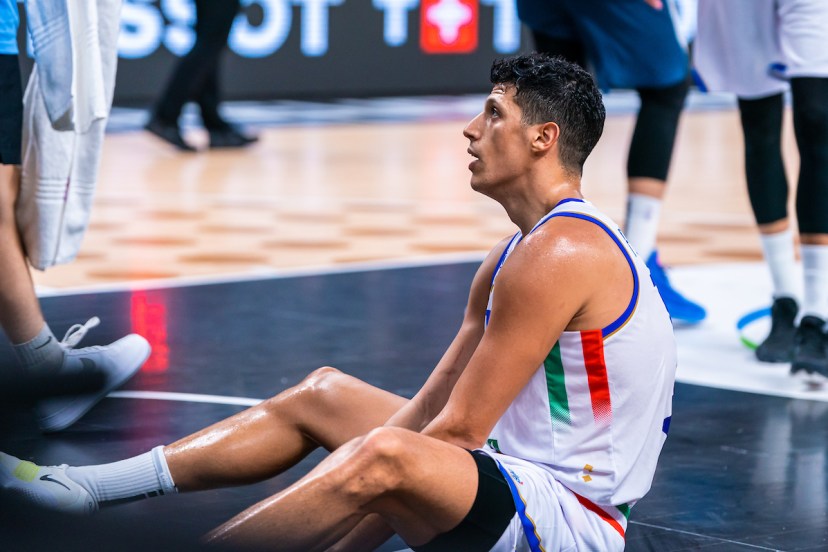
Simone Fontecchio’s future fits into that bigger question. He will not define Miami’s ceiling, but his situation shows the choice facing the Heat: keep useful pieces, or look for players who can raise the team’s level.
The Miami Heat team stats show a team with strong scoring numbers, but also a clear lack of defensive separation.
Miami averaged 120.9 points per game while allowing 118.5. That is entertaining basketball, but it is not a safe formula. The Heat could score with almost anyone, but they also allowed opponents to remain too comfortable.
The home-road split makes the issue clearer. At home, Miami won 63.4% of its games and scored 123.5 points per game. Away from home, the win rate dropped to 41%. This shows how much less stable the team became outside Miami.
The Heat played fast, used their depth and created enough points to stay dangerous. But when games became unstable, they did not always have the defensive base or late-game hierarchy to slow things down.
That makes this offseason less about rebuilding and more about reshaping.
Miami still has a base. Bam Adebayo remains the foundation, Tyler Herro is still a high-level scorer when healthy, and Jaime Jaquez Jr. and Kel’el Ware give the team real young talent.
But finishing 10th in the East showed the limit of this group. The Heat are still competitive, but they need more than continuity to move higher. Better health and internal growth would help, but Miami also needs more top-end creation and defensive reliability.
That is where Fontecchio’s situation becomes relevant.
Fontecchio is entering unrestricted free agency and he has said that he would like to stay in Miami. He averaged 8.5 points and 3.0 rebounds in 16.8 minutes per game, while shooting 37.5% from three-point range. That makes him useful, but not essential. Keeping him would make sense if the price is reasonable. He gives the Heat wing size, shooting and low-usage offense, but Miami should need more than just safe minutes from him if he returns.
If he returns, the next step is to become a more trusted rotation player: quicker shooting decisions, better defensive reliability, and enough consistency for Erik Spoelstra to use him in serious minutes.
If he leaves, Miami would need to replace more than shooting. The Heat would also need wing size, lineup flexibility and better two-way reliability. Any replacement must help spacing without weakening a defense that already needs to improve.
The 2025-26 season showed that Miami can still compete. This offseason will show whether the Heat can become something more than competitive.


Commenta
Visualizza commenti